
In the United States alone, the costs of excessive alcohol use were estimated at $223.5 billion in 2006, or $746 per person (Bouchery et al. 2011). Much of these costs result from a loss in workplace productivity as well as health care expenses, criminal justice involvement, and motor vehicle crashes (Rehm et al. 2009). While social drinking is often viewed as a harmless activity, it carries potential health risks and negative consequences that can impact individuals and society. The National Institute on Alcohol Abuse and Alcoholism highlights that heavy drinking can lead to serious health issues such as liver inflammation, pancreatitis, and increased cancer risks. The brain is also affected, with alcohol interfering with communication pathways, potentially altering brain structure and function. As societies evolved, so did the cultural significance and regulation of alcohol.

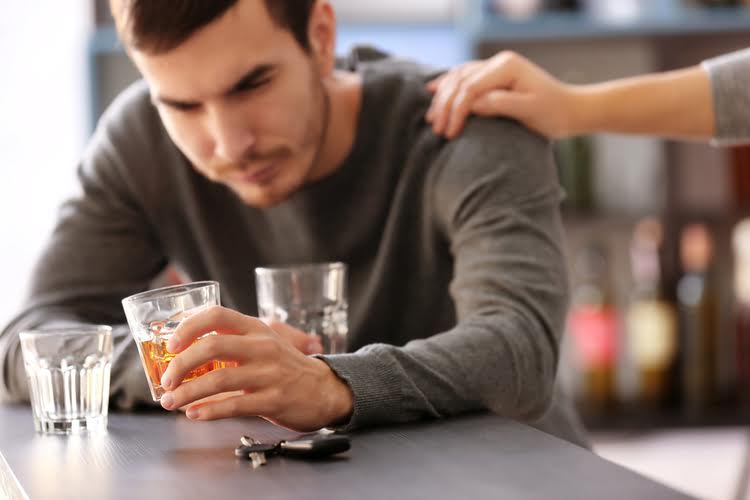
Social drinking can put you at risk
- Alcohol of any amount can cause a relapse, and you can potentially lose all your hard work during recovery.
- Professor David Reckhow, a water treatment expert who used to teach at the University of Massachusetts Amherst, agreed that cyberattacks are a threat to the American drinking water network, but said he doubted these will have a major health impact.
- The presence of alcohol in communities and its accessibility, often influenced by socioeconomic factors, have shaped drinking behaviors and social dynamics.
A social drinker seeks alcohol as a way of socializing, relaxing, and enjoying rather than getting intoxicated or coping with stress. Asians, on the other hand, generally are thought to have higher abstention rates compared with other racial and ethnic groups, especially when they are integrated within their ethnic cultures (Cook et al. 2012). One measure of the retention of ethnic values and cultural norms is generation status. That is, the longer immigrants have lived in the United States, the more likely they are to acculturate to the cultural norms of their destination community (Berry et al. 2006). Lower levels of ethnic identity may be one explanation for these differences across Asian subgroups.
Immigration-Related Influences
- But given how widespread water fluoridation is, he added, even minor behavioral changes in individual children could have a meaningful impact on the overall population.
- However, a minority of Muslims do drink and believe consuming alcohol is not Qur’anically forbidden,[44][45] such as the Alevi Muslims of Turkey.[46] Muslim-majority countries produce a variety of regional distilled beverages such as arrack and rakı.
- There should never be a reason that prevents social drinkers with alcoholism from getting the help they need.
- However, social drinking may have some negative effects and hidden risks that you need to be aware of.
In this article, I offer a social-contextual framework for examining AUD risk by reviewing studies on the unique antecedents and deleterious consequences of social versus solitary alcohol use in adolescents and young adults. Specifically, I provide evidence of distinct emotion regulatory functions across settings, with social drinking linked to enhancing positive emotions and social experiences and solitary drinking linked to coping with negative emotions. I end by considering the Top 5 Advantages of Staying in a Sober Living House conceptual, methodological, and clinical implications of this social-contextual account of AUD risk. Among social drinkers, regardless of how we define the term, people usually drink in social settings while interacting with others without giving much thought to how their choice of beverage might impact their cognition or perception. Many social drinkers devote even less time to considering how their alcohol consumption and related behaviors impact the way other people view them.
Social Drinkers vs. Moderate Drinkers
Although not all binge drinkers are alcoholics, their pattern of extreme drinking is just as dangerous. No one intends to develop an alcohol dependency, https://businesstribuneonline.com/top-5-advantages-of-staying-in-a-sober-living-house/ but it can happen easier than you may think. If you’re in the habit of drinking in social situations, your reasons for drinking can change over time.
Cultural Norms
- Excessive alcohol use is the third leading cause of death in the United States, accounting for 88,000 deaths per year (Centers for Disease Control and Prevention 2014).
- Specifically, the authors found that each additional advertisement viewed by youth increased the reported number of drinks consumed by 1 percent.
- This may be because better educated African Americans find themselves in situations in which they may be exposed to discrimination, or they may be more acutely aware of how subtly it can be expressed.